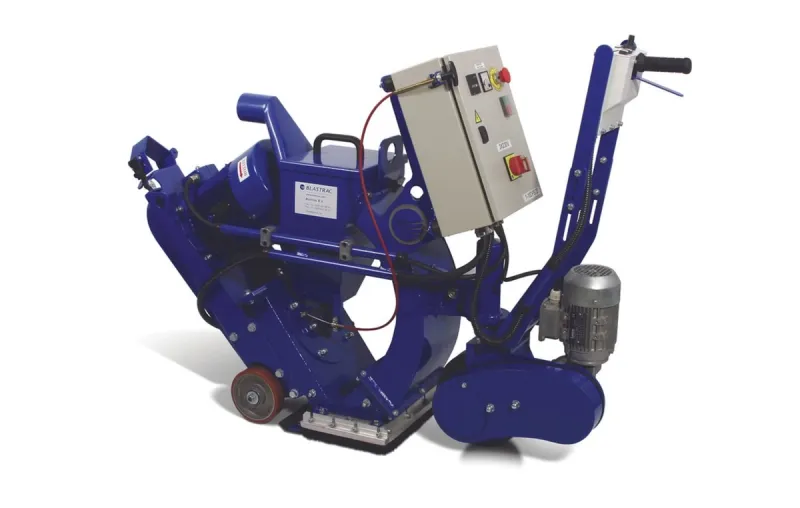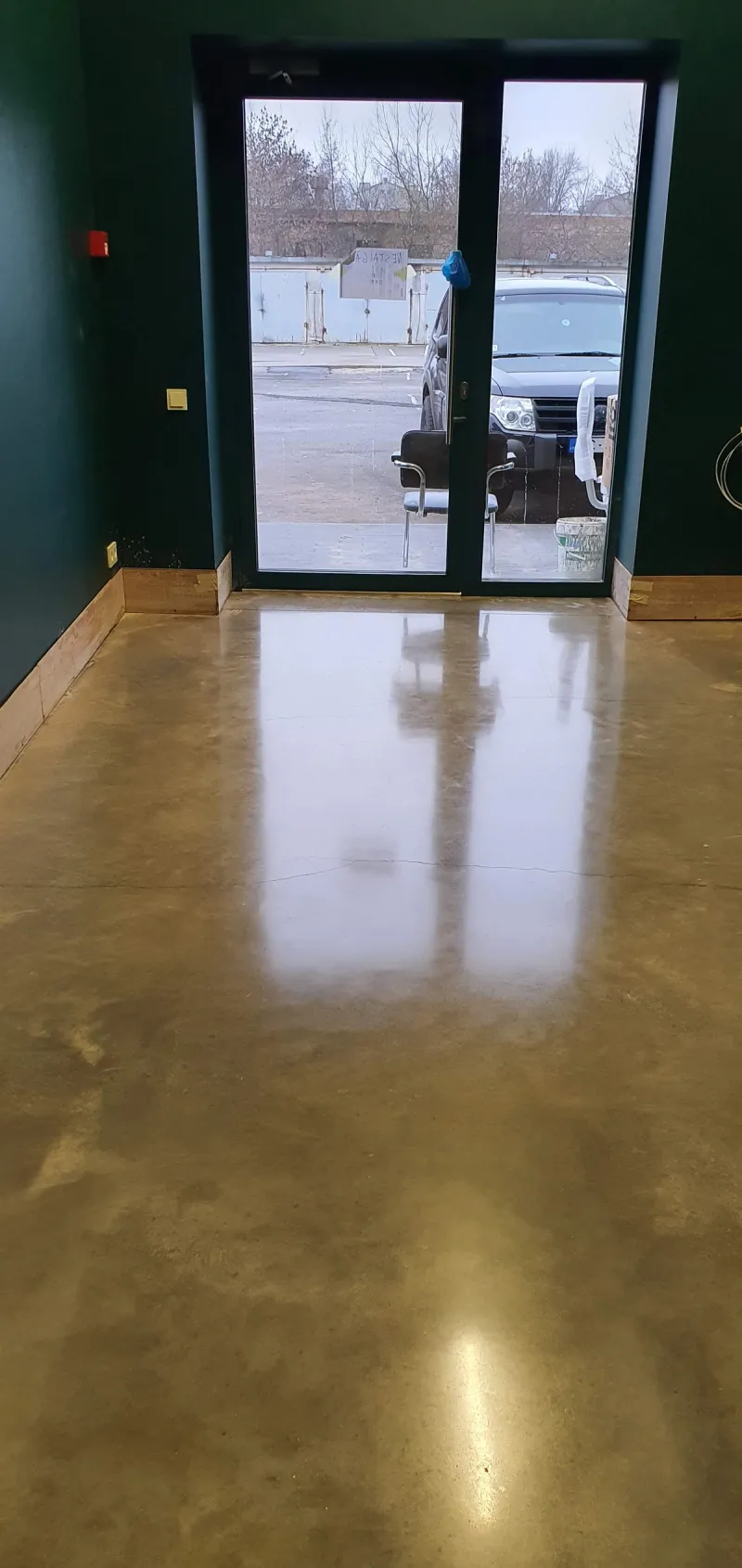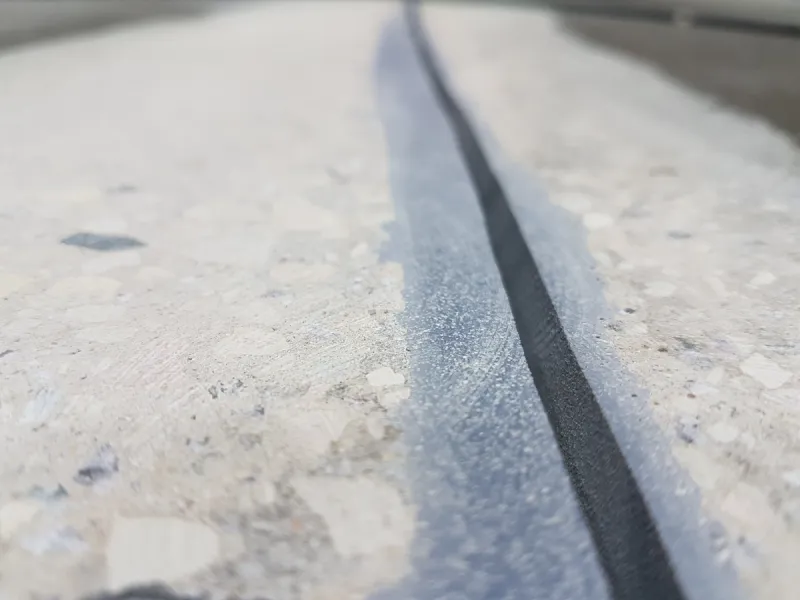
Alongside a range of concrete floor repairs, SIA Antislip Baltics also specialises in laying completely new synthetic resin floors. To ensure the highest quality standards and a guarantee on our work, we use only proven, very high-quality materials. We provide the full service, from substrate preparation to laying the floor and marking it.
RESIPLAST® (Belgium)
SIA Antislip Baltics is the authorised representative in the Baltic states of RESIPLAST NV/SA, one of the leading construction chemicals manufacturers in the European Union. This guarantees consistently high quality and availability of the materials we use. We offer a range of options for EPOXY, POLYURETHANE and ACRYLIC (PMMA) floors, from a simple coat of paint to industrial floors several centimetres thick, designed for extreme loads.
Laying epoxy floors
Epoxy floors are probably the best-known and most widely used type of synthetic resin floor. Epoxy
resin is a thermosetting material that makes the floor durable and strong, which makes it the best choice
for ESD floors.
Several types of epoxy resin are available, each with different advantages depending on
the use, but all epoxy floors are very hard and bond well to concrete, protecting the
existing concrete base from impact, wear, water ingress, oil and other chemicals.
However, if an epoxy
floor is damaged, it must be replaced completely. Of all the resin floor options, epoxy
takes the longest to cure (7–10 days to full hardness and chemical resistance). An unplanned floor
replacement could be very expensive for a business. From the wide range of epoxy coatings we offer simple
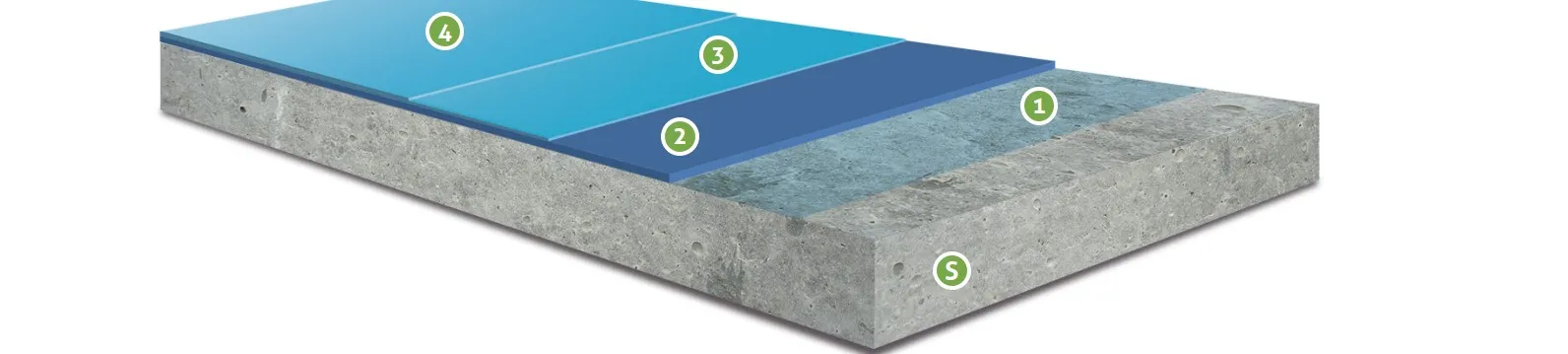
water- and solvent-based primers and paints, as well as self-levelling floor systems made up of a primer, a
self-levelling layer and a protective coating.
Environmentally friendly (water-based) epoxy floors
Floorline Green brochure 2020 (PDF, in English)Laying polyurethane floors
Polyurethane resin floors are highly resistant to impact, wear and most chemicals. However, the
main advantage of PU resin floors is their resistance to high temperatures and direct heat.
Compared with epoxy floors, polyurethane is much more flexible, which gives it excellent
impact absorption.
An excellent choice for public buildings (shops, schools, healthcare facilities,
etc.).
Laying a polyurethane resin floor takes a little less time than an epoxy floor, because at the
same ambient temperature polyurethane cures faster than epoxy, though considerably slower than PMMA
materials.
Laying acrylic floors
PMMA stands for polymethyl methacrylate, and the unbeatable advantage of this type of floor is how fast the material cures. The primer, the self-levelling layer and the protective layer all harden in under an hour. With these materials we serve businesses and institutions that work practically every day and cannot afford downtime. PMMA floors cure even at temperatures below 0 °C. PMMA floors are also easy to repair and upgrade thanks to their unique chemical bond between layers, unlike other resin floors (PU and epoxy), which have to be replaced completely. PMMA resin floors usually cost more than other resin floors, but they usually last longer, and the labour cost of installing them is considerably lower than for an identical polyurethane or epoxy floor.
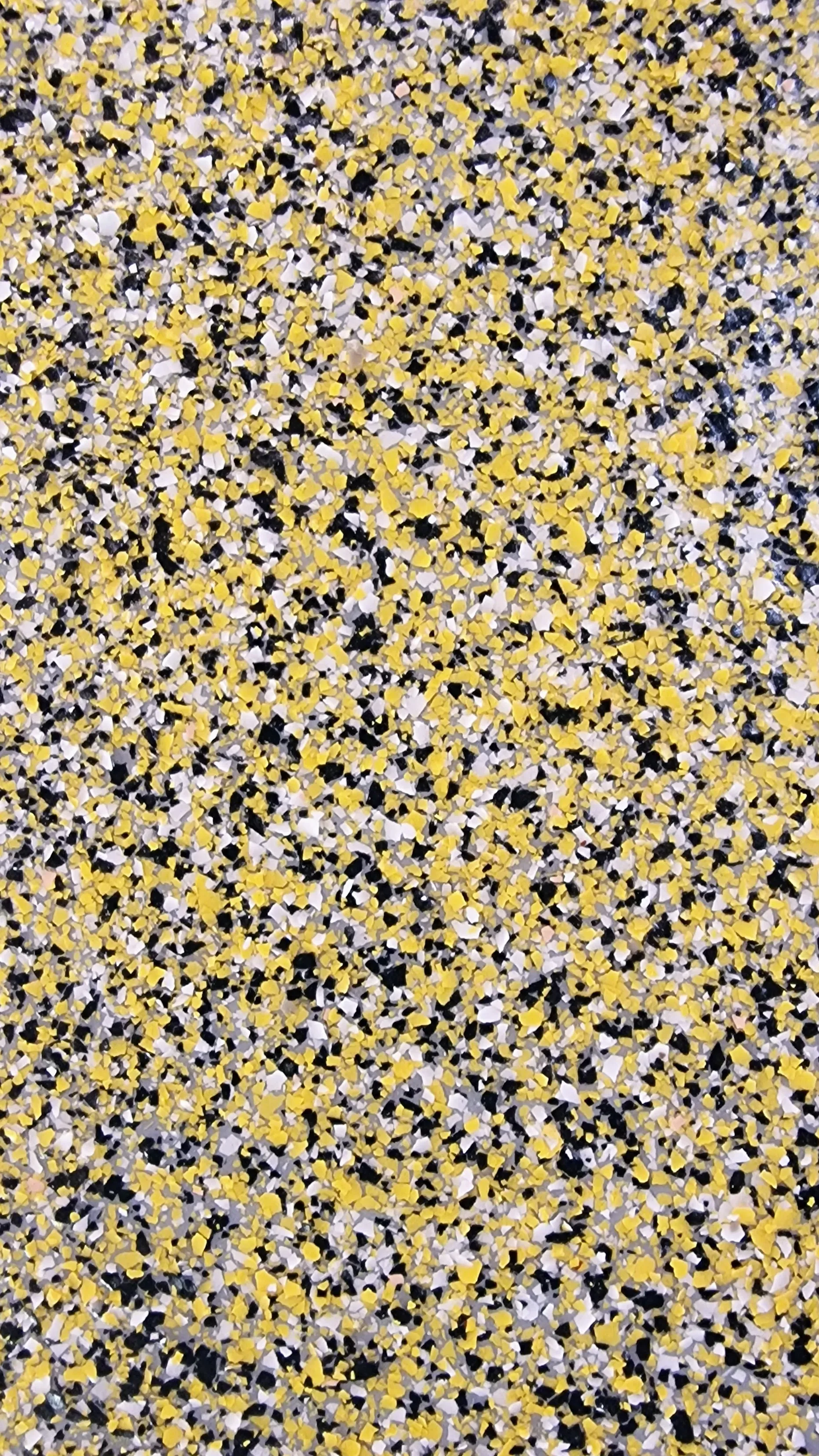
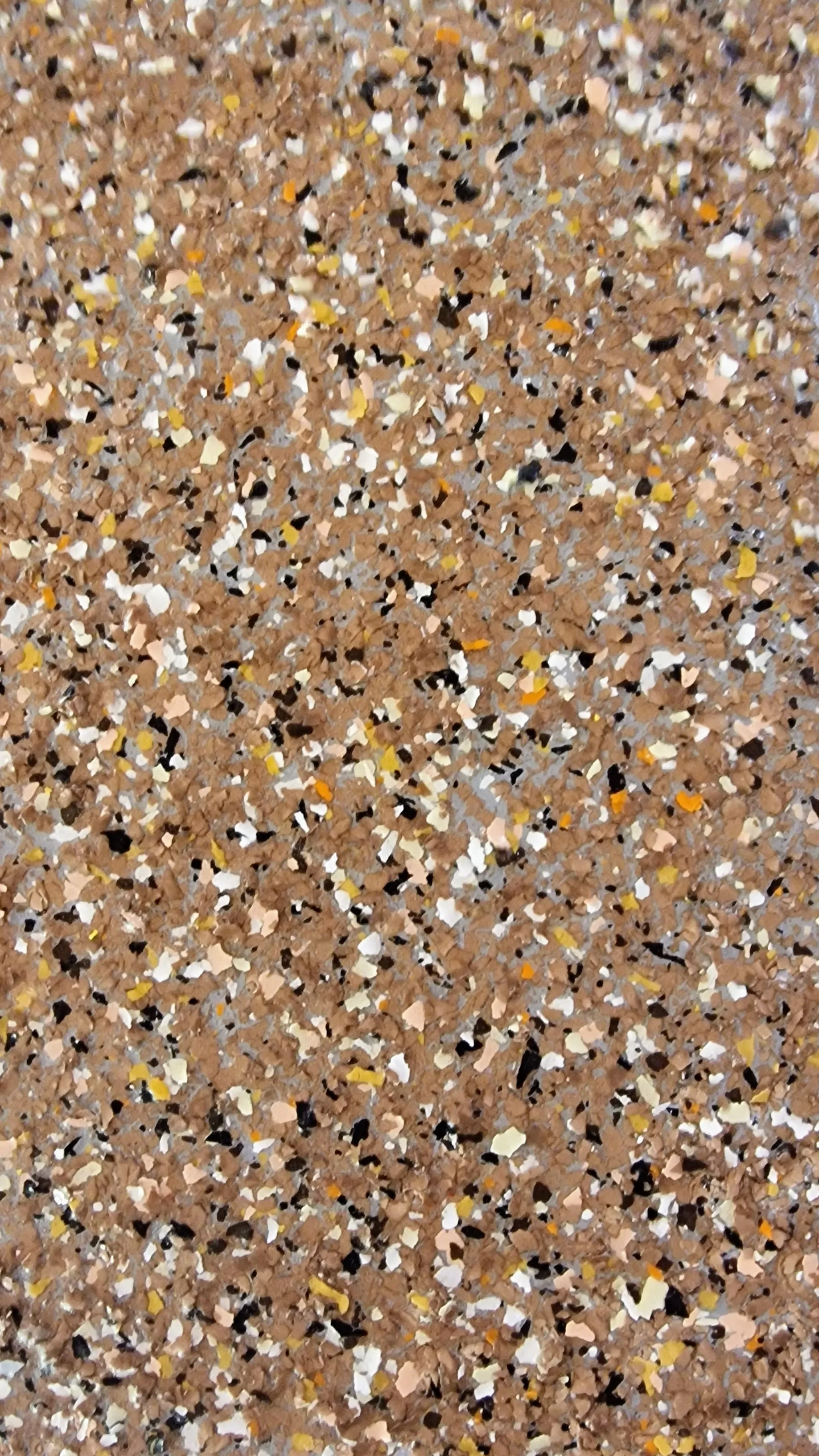
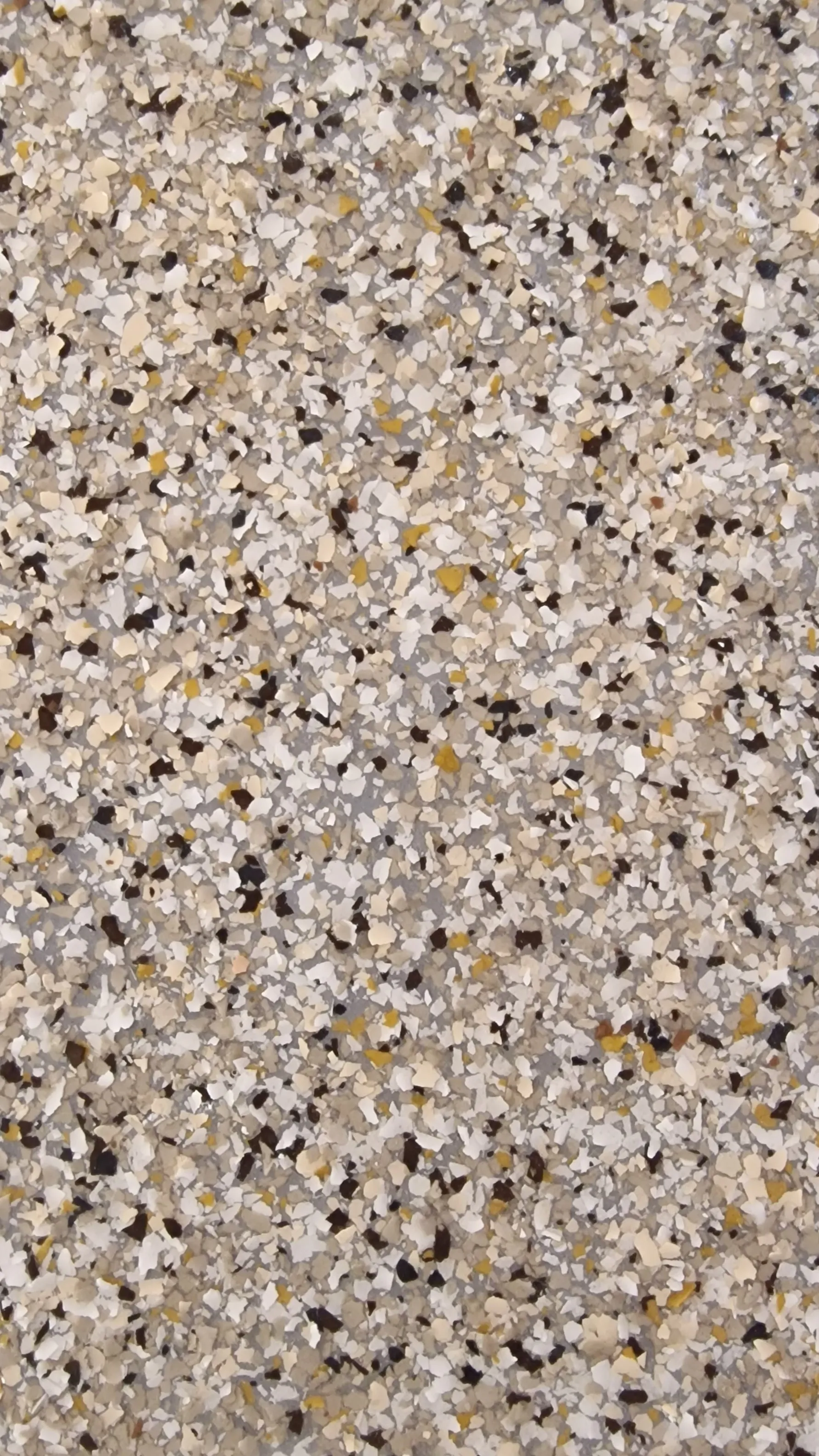
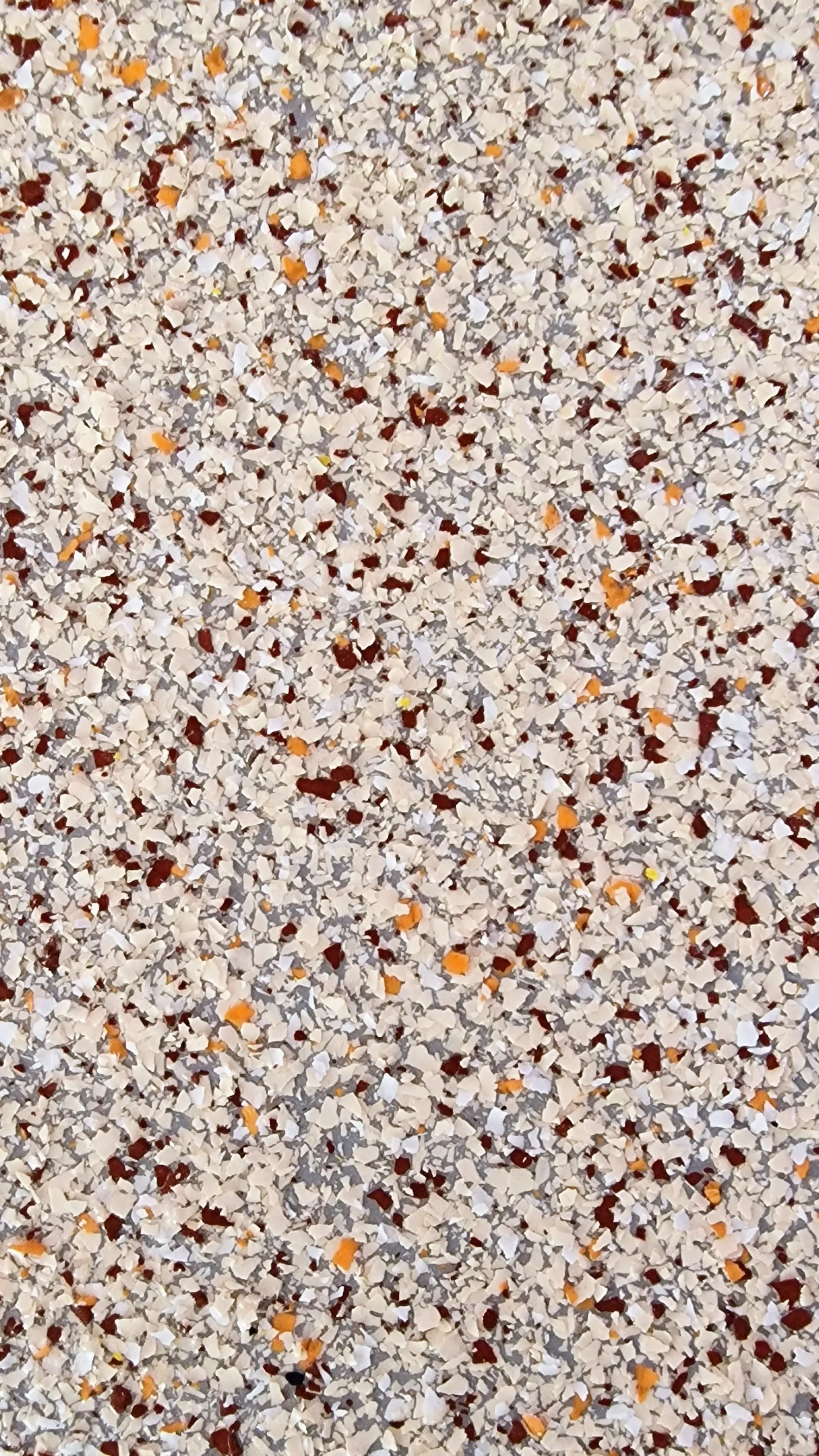
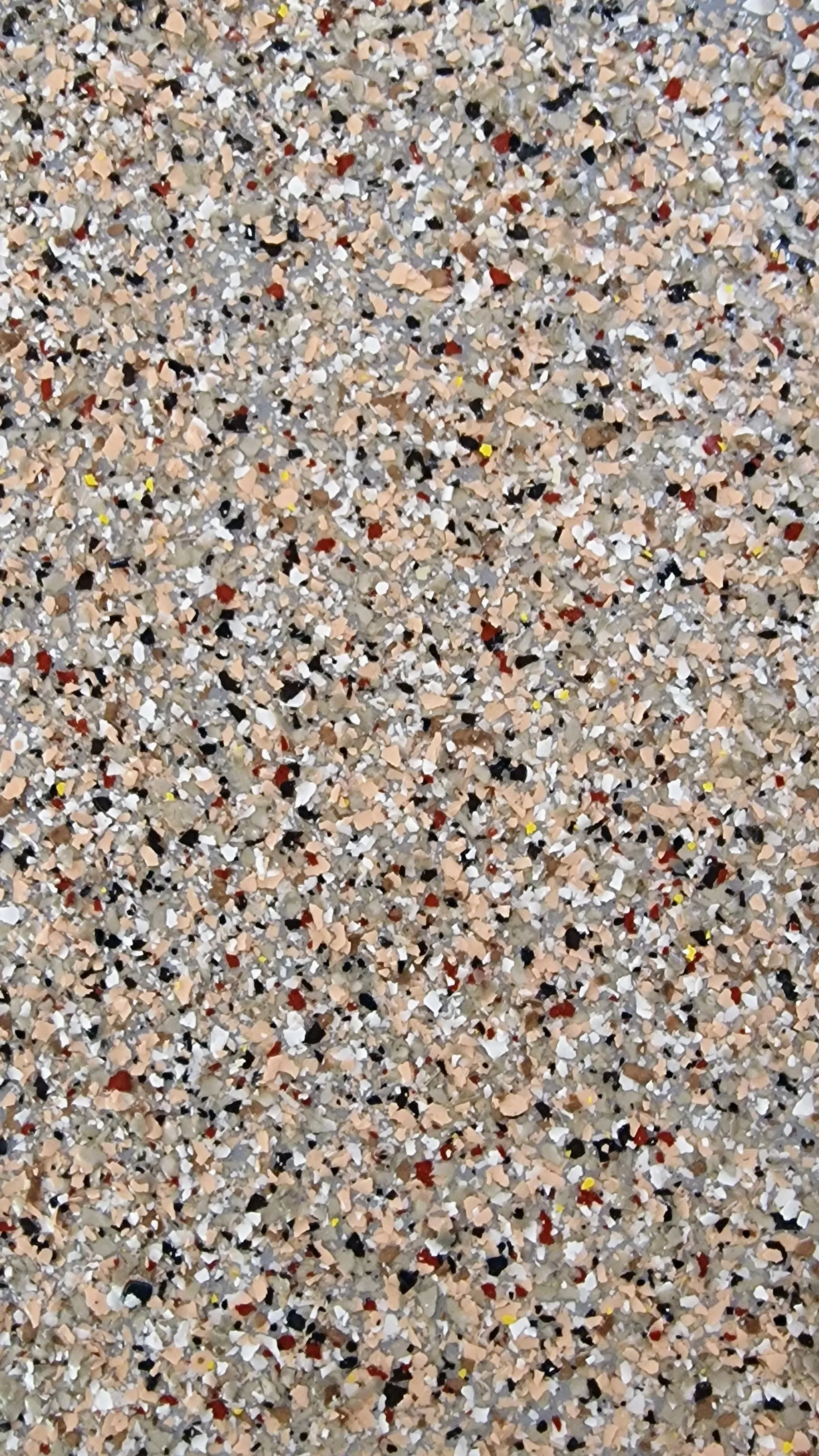
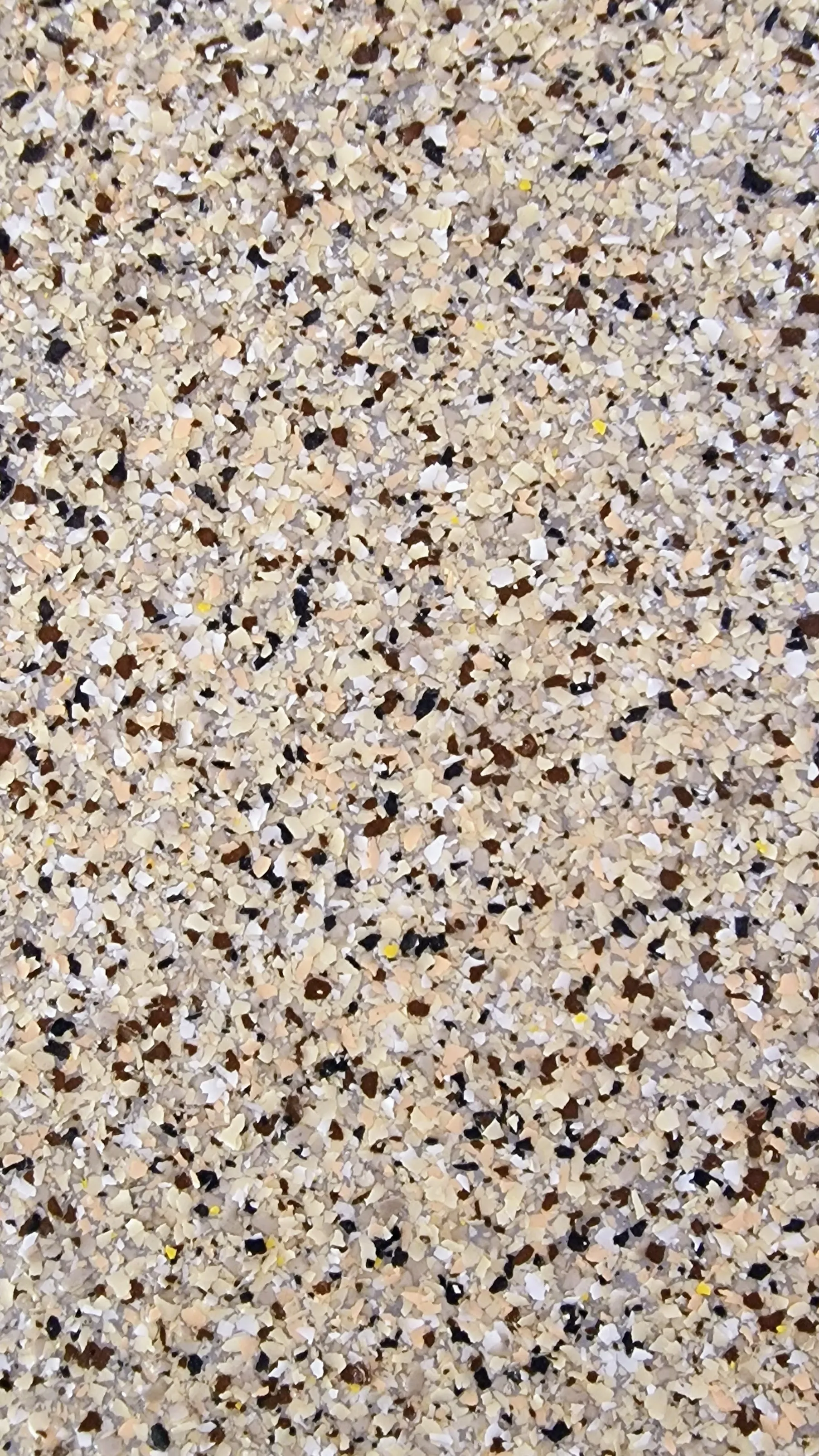
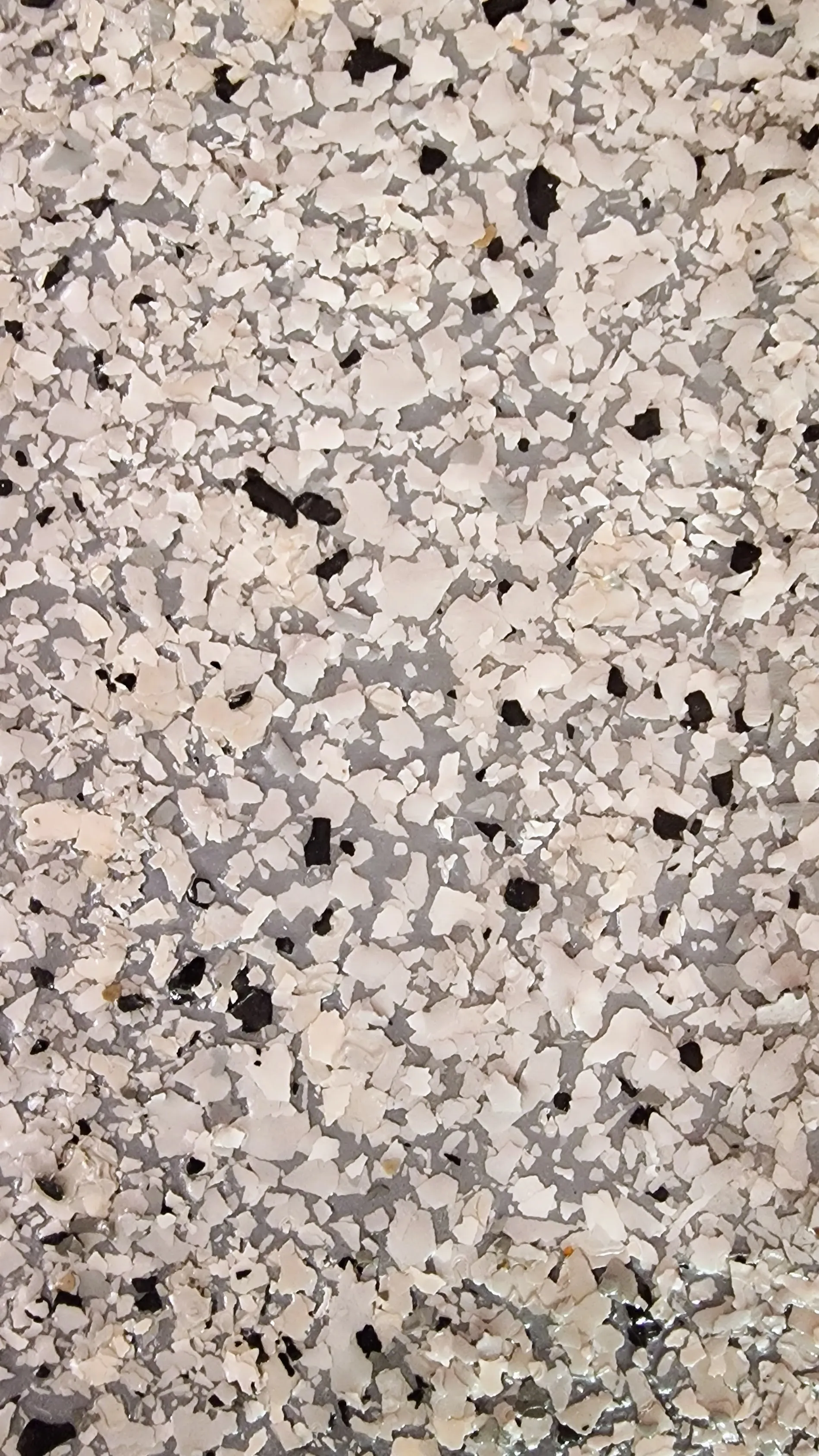
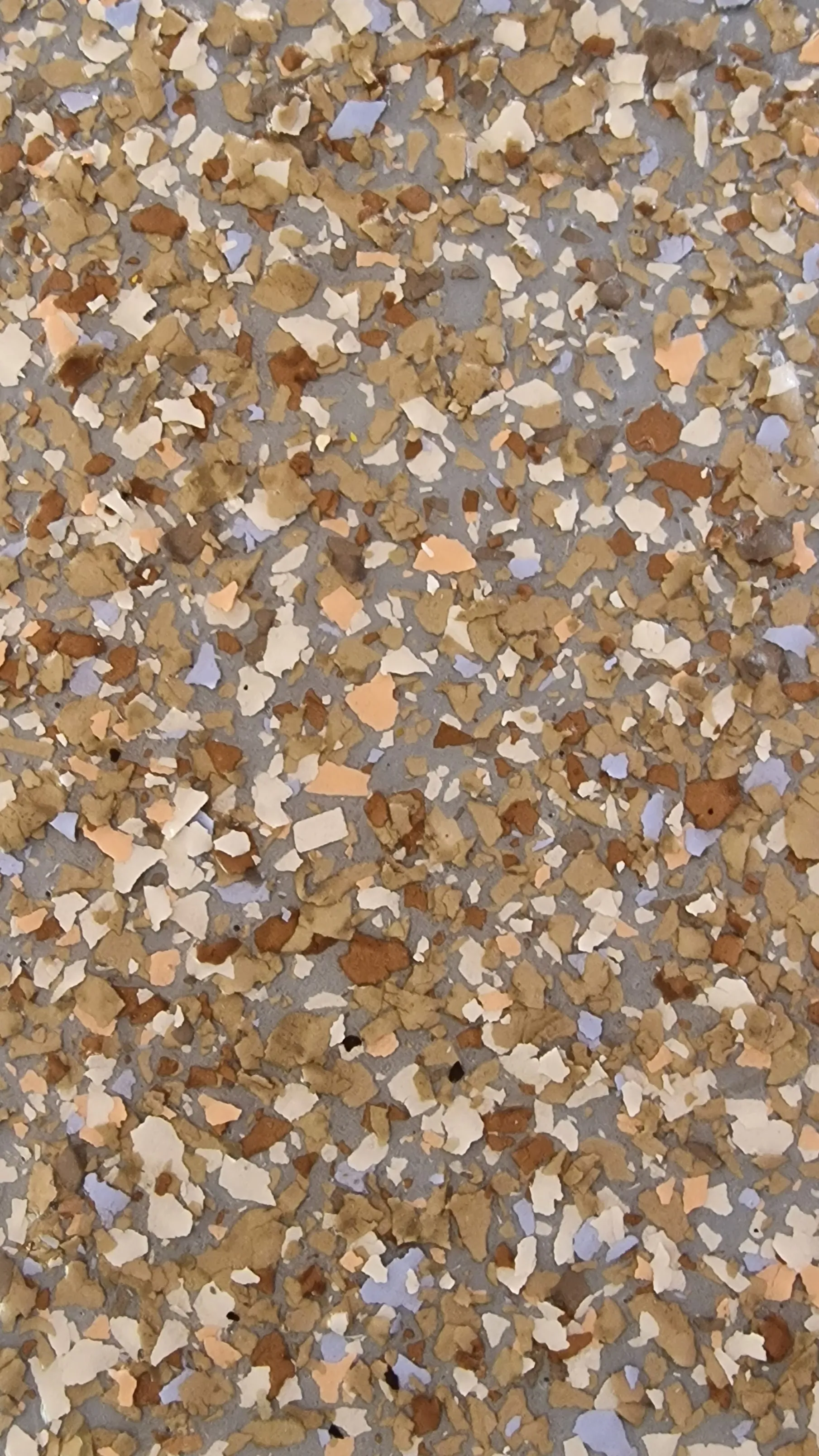
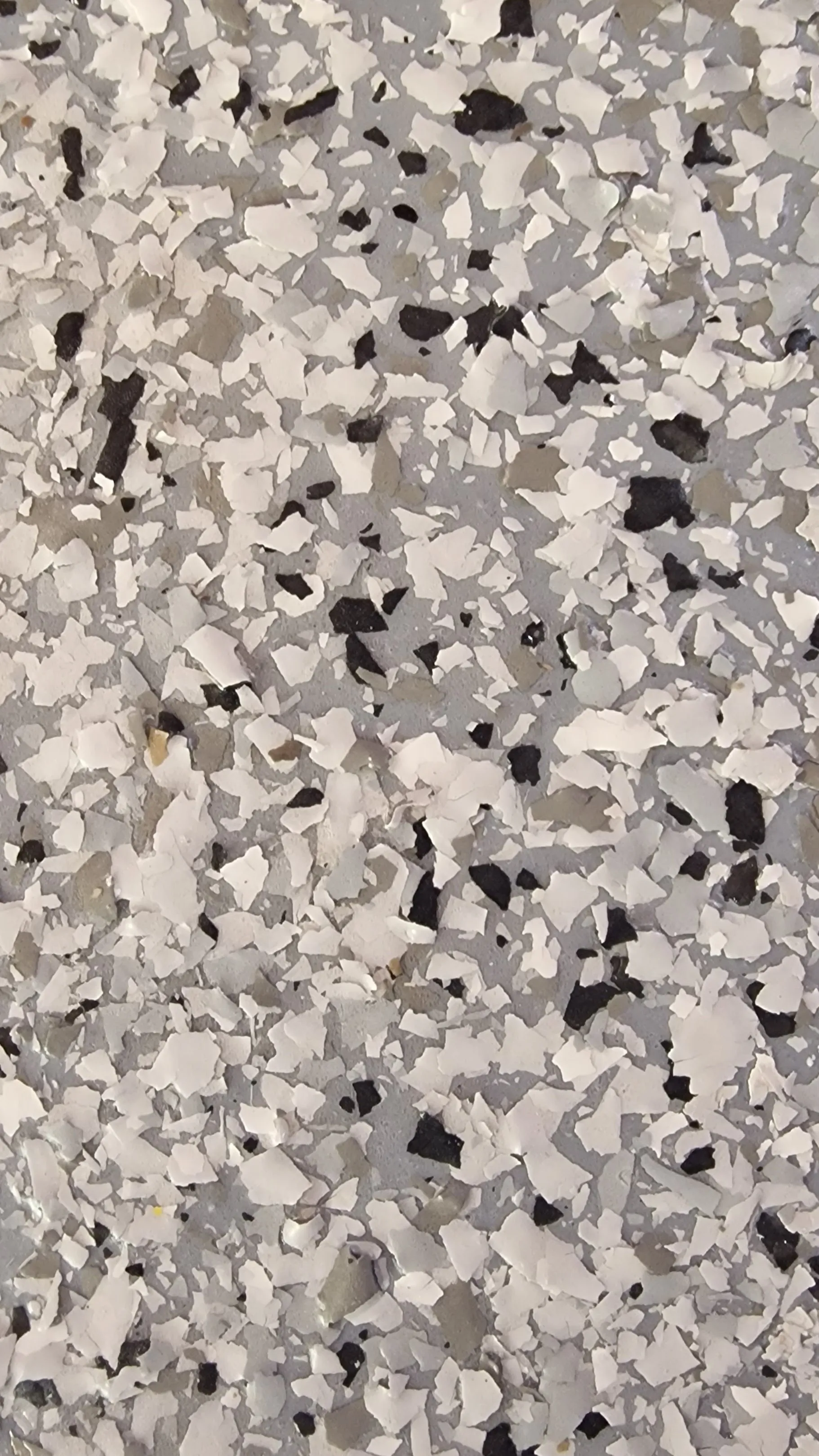
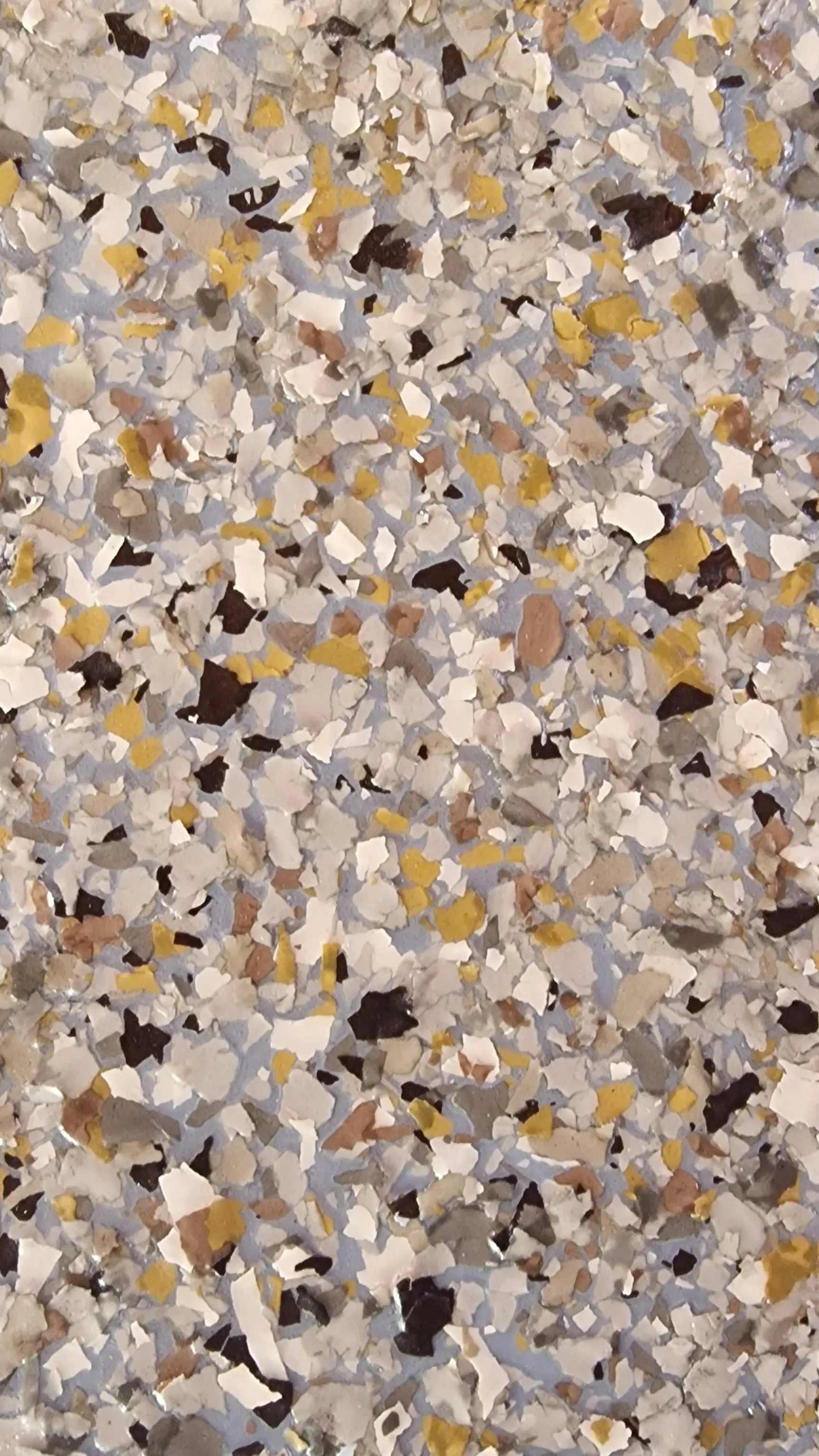
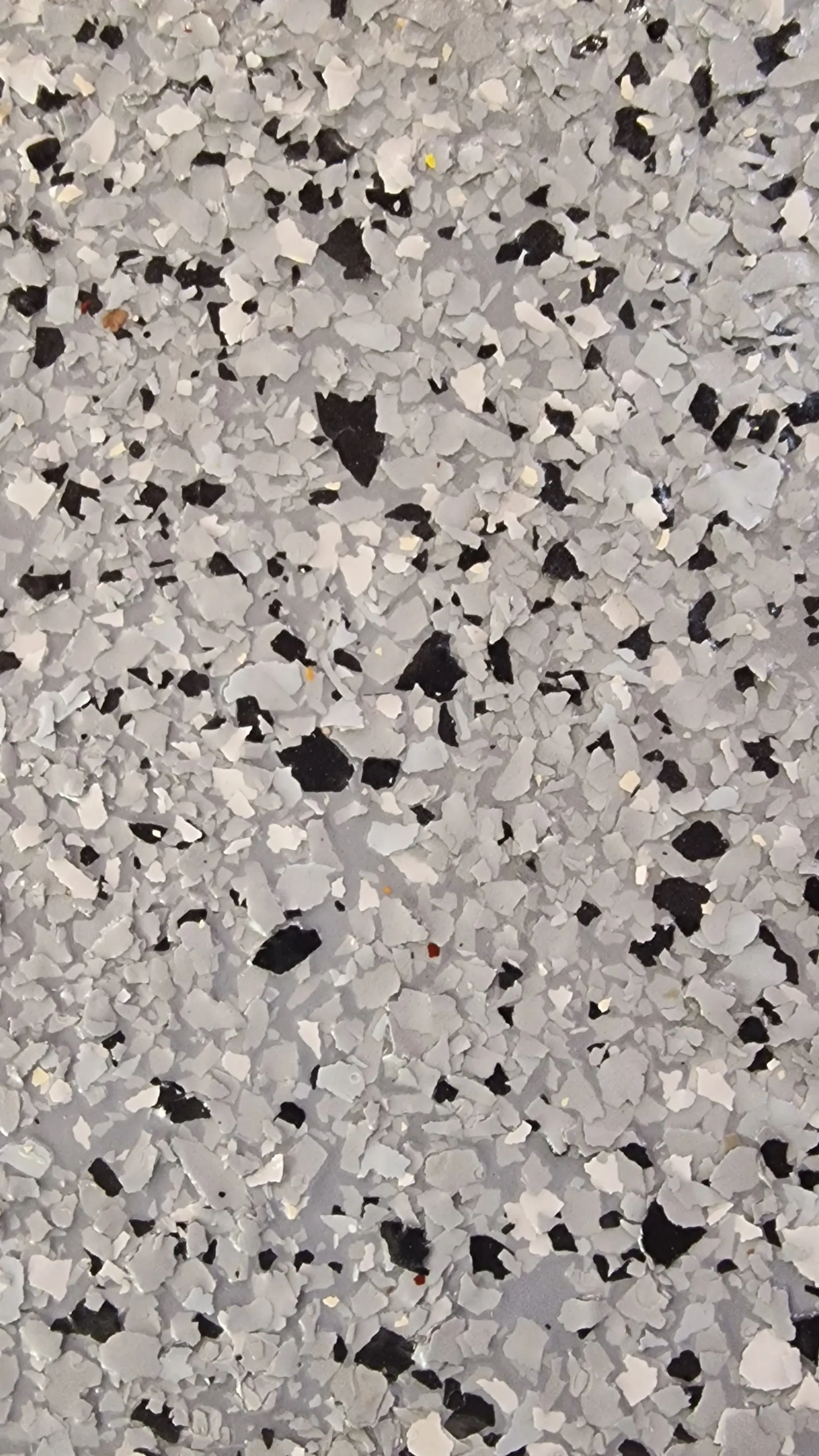
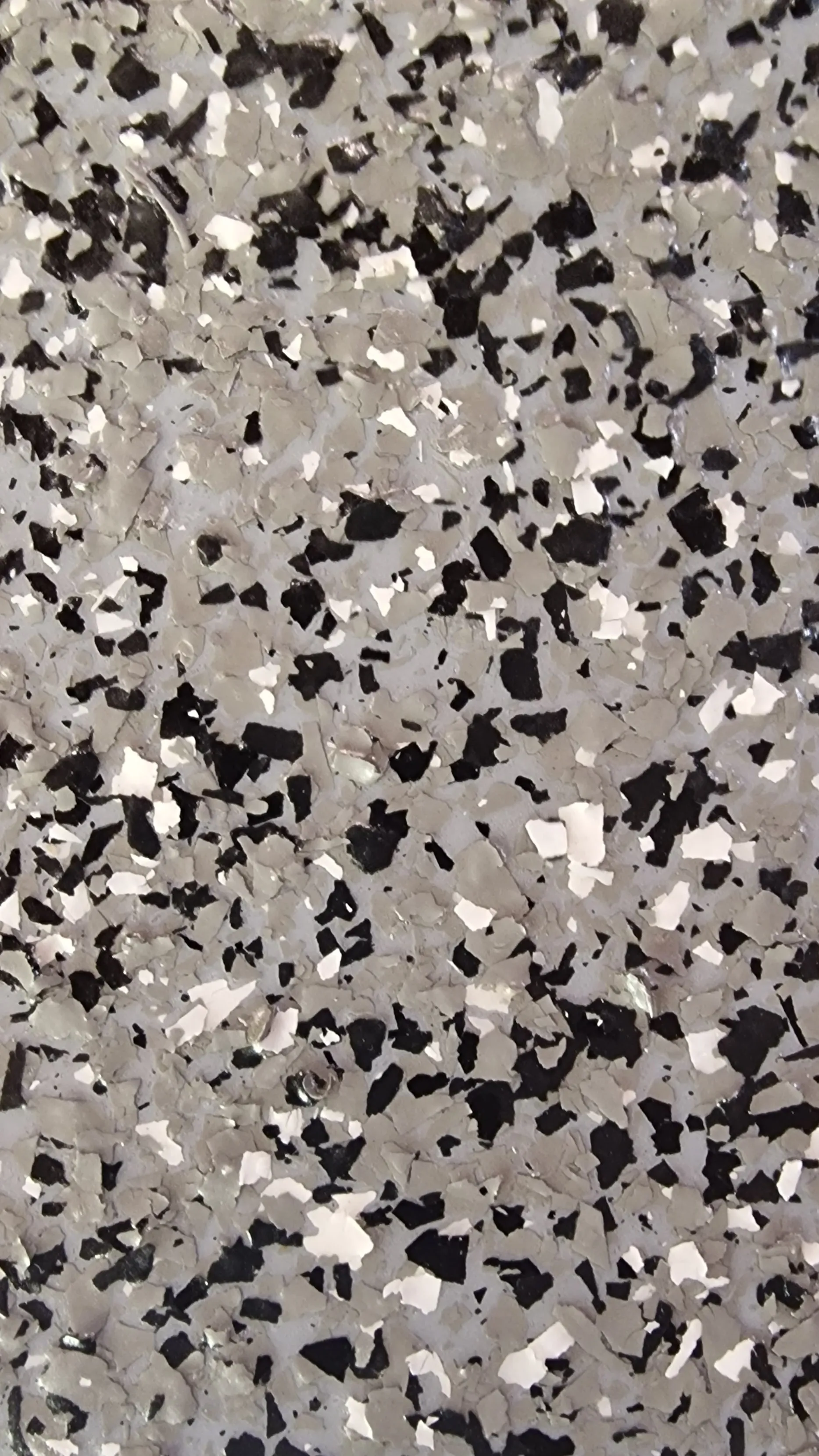
Whatever type of floor you choose (epoxy, acrylic or polyurethane), we can make the top coat in any solid colour from the client's chosen RAL shade, or create different designs with decorative flakes. Some design examples below:
All Resiplast® materials
Resiplast catalogue 2020 (PDF, in English)How to buy? What does it cost? Free samples:
Weekdays 8:00–17:00