
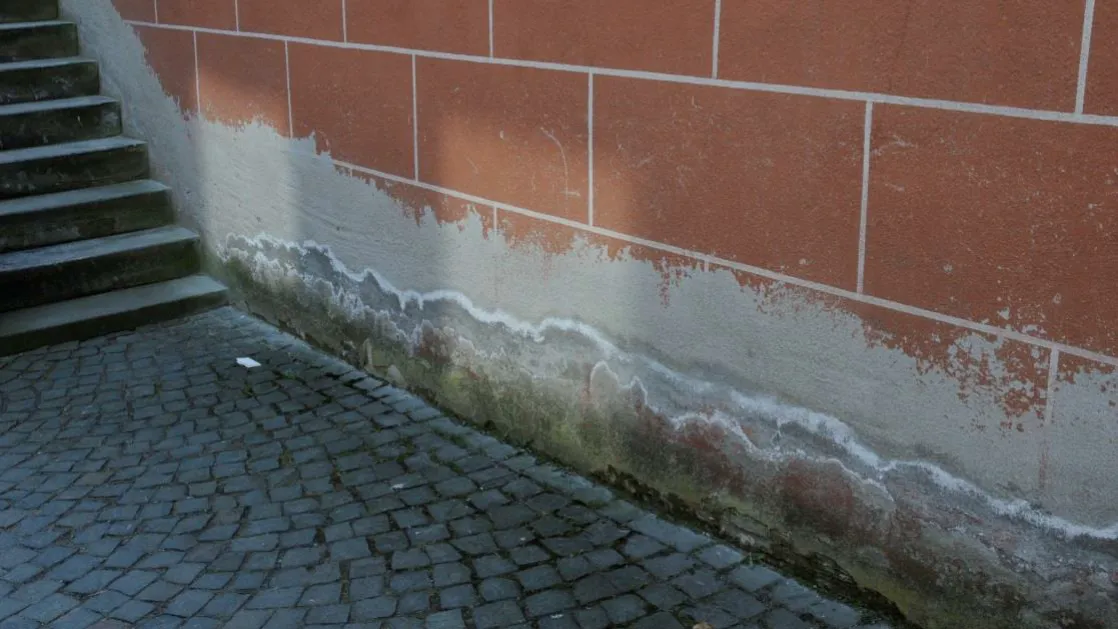
What is rising damp?
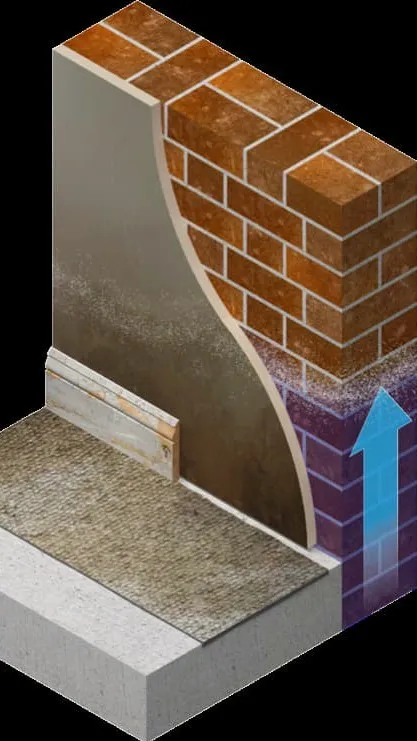
Rising damp is a process in which water moves upwards or sideways through a material via capillary channels, small openings or pores. An example is water that is drawn up from the ground through concrete or brick walls and causes damp problems in a building's walls.
Whether a building's walls have rising damp, and how much damage it causes, depends on several
factors, including the groundwater level, the pore structure of the wall materials (brick, stone,
mortar, etc.) and how quickly moisture evaporates from the affected wall. In most cases, rising damp
found in a building's walls should be dealt with, because otherwise
unwanted consequences can
affect how the building is used:
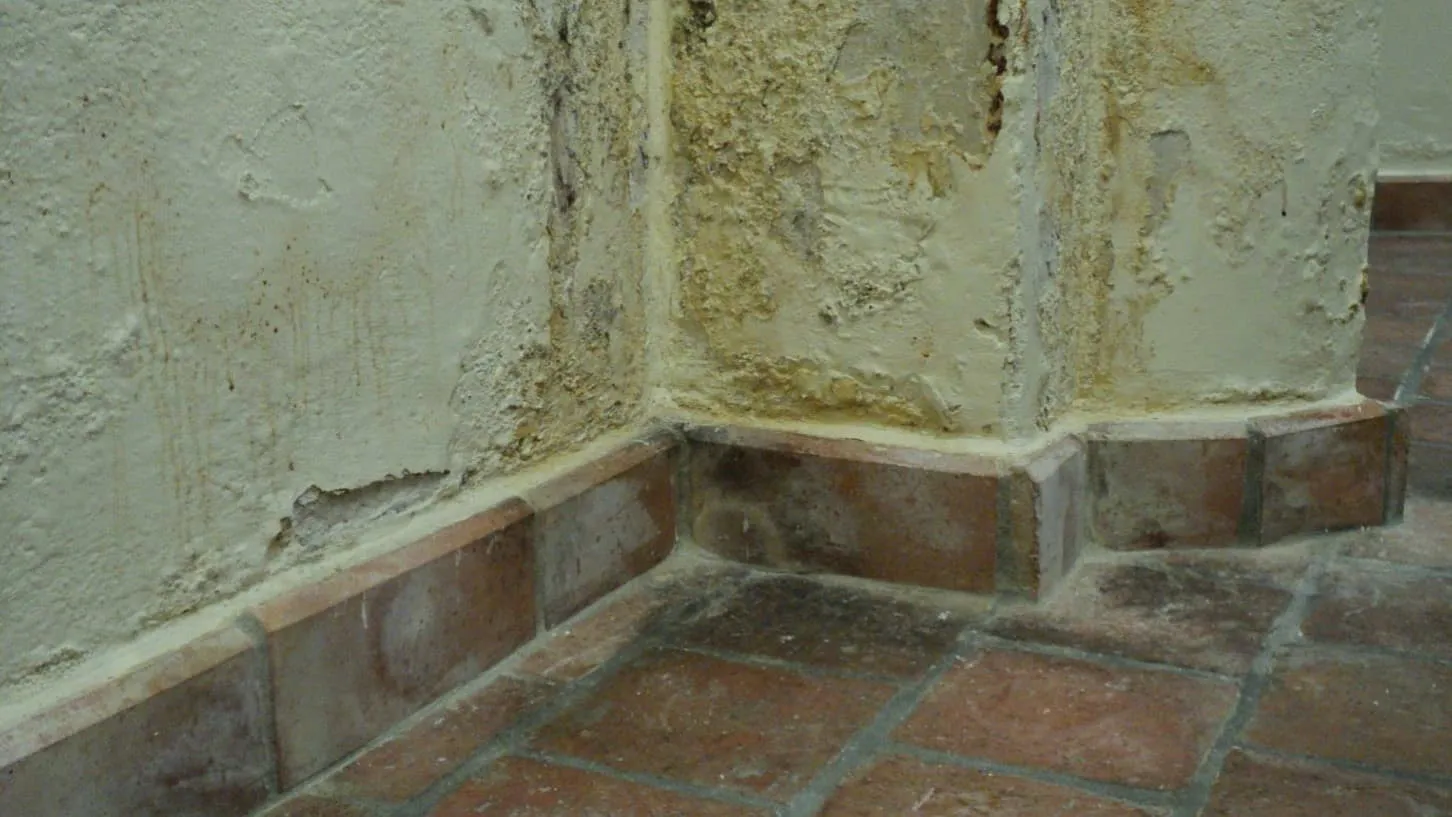
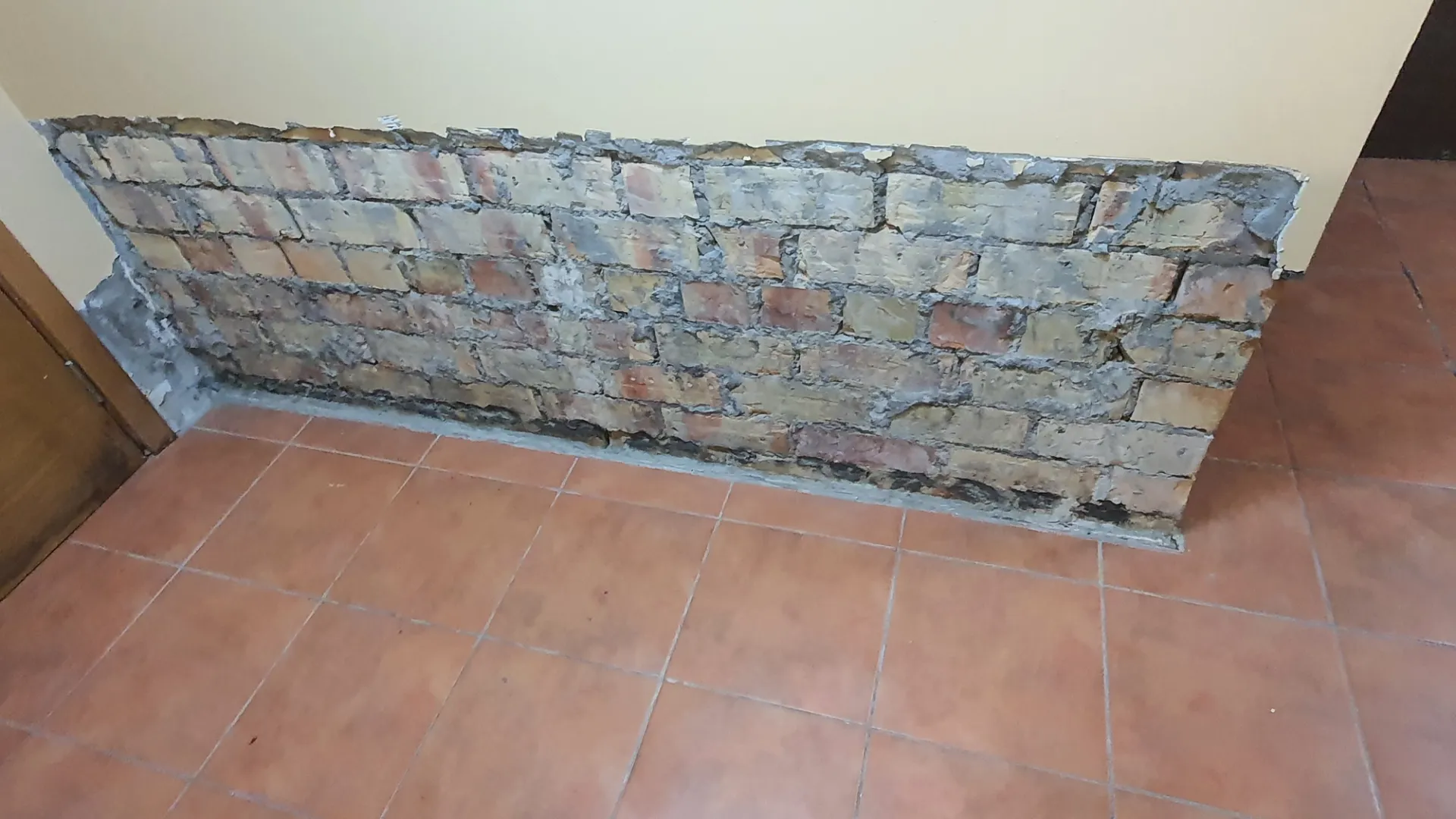
1. Visible wall damage: moisture, and the salts it carries, make wallpaper and paint peel and damage decorative plaster,
and this leads to higher humidity indoors.
2. Erosion of the building's load-bearing structures: salts from the ground (mostly sulphates) that enter the walls with the rising damp attack the binders in brick, stone and other building materials, so they lose their original strength. Crystallising salts can create forces strong enough to destroy the structure of bricks or other building materials.
3. Higher heat loss. When water replaces the air in the pores of a building's walls, they conduct heat better, and heat loss increases as a result. For example, a damp brick conducts heat about twice as well as a dry one.
4. Health effects. It is widely documented that excessive damp in
buildings
can harm the health of the people who live in them.
Removing rising damp from building walls
SIA Antislip Baltics offers a full range of services, from surveying the building and correctly identifying the cause of the damp to applying restoration plaster. Damp in a building's walls cannot always be removed with damp-proofing injections alone, because walls can be damp for other reasons: apart from rising damp, the most common causes are missing or damaged external waterproofing and condensation.
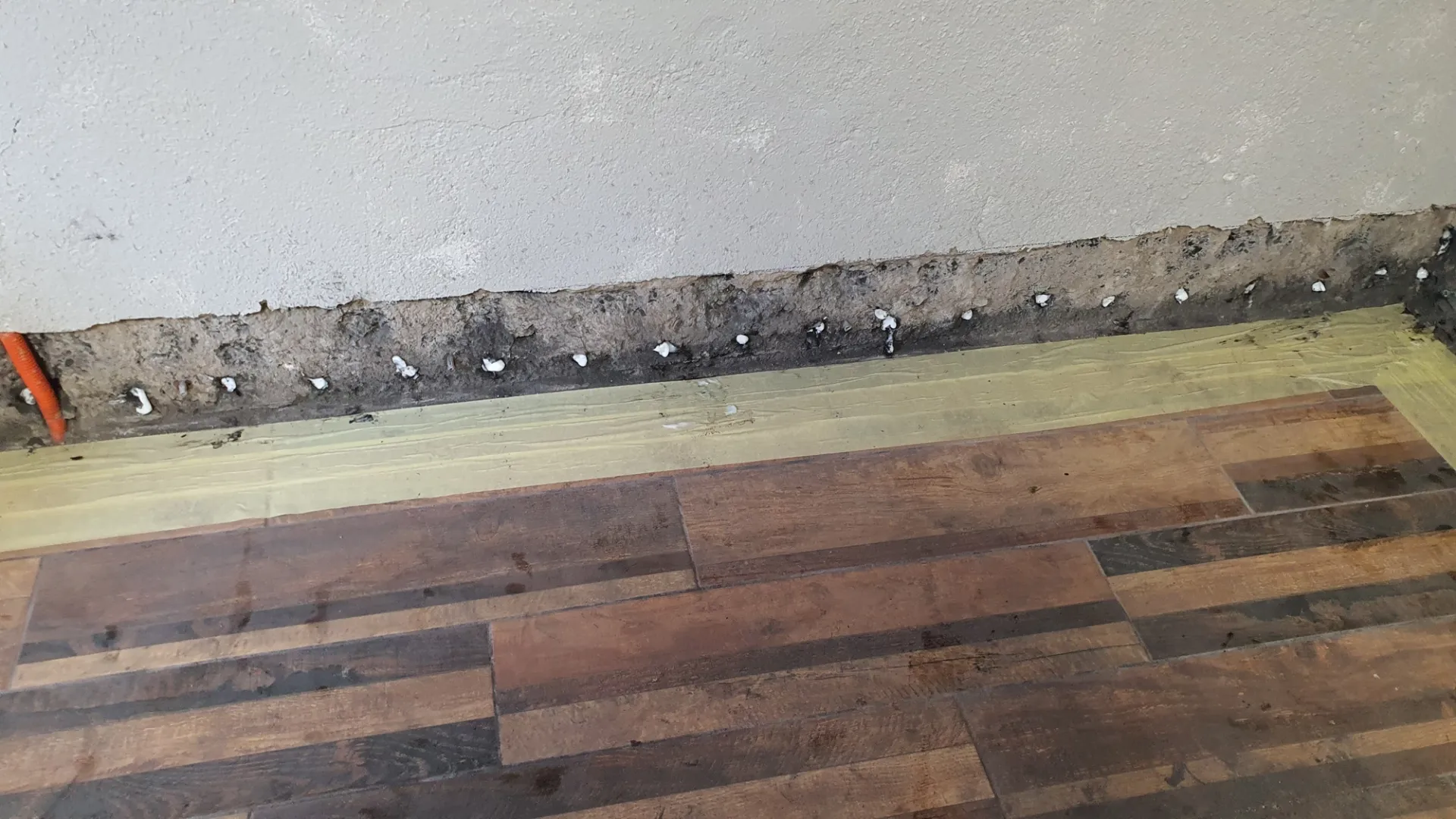
After horizontal injections have been made in the walls to block rising damp, and the salts present in the wall structure have been identified, the wall must be treated: the moisture and salts left in the wall have to be drawn out or blocked. The most popular treatment techniques are:
-
Letting the wall dry naturally. This is the most economical treatment, but expect it to take 6 to 24 months.
-
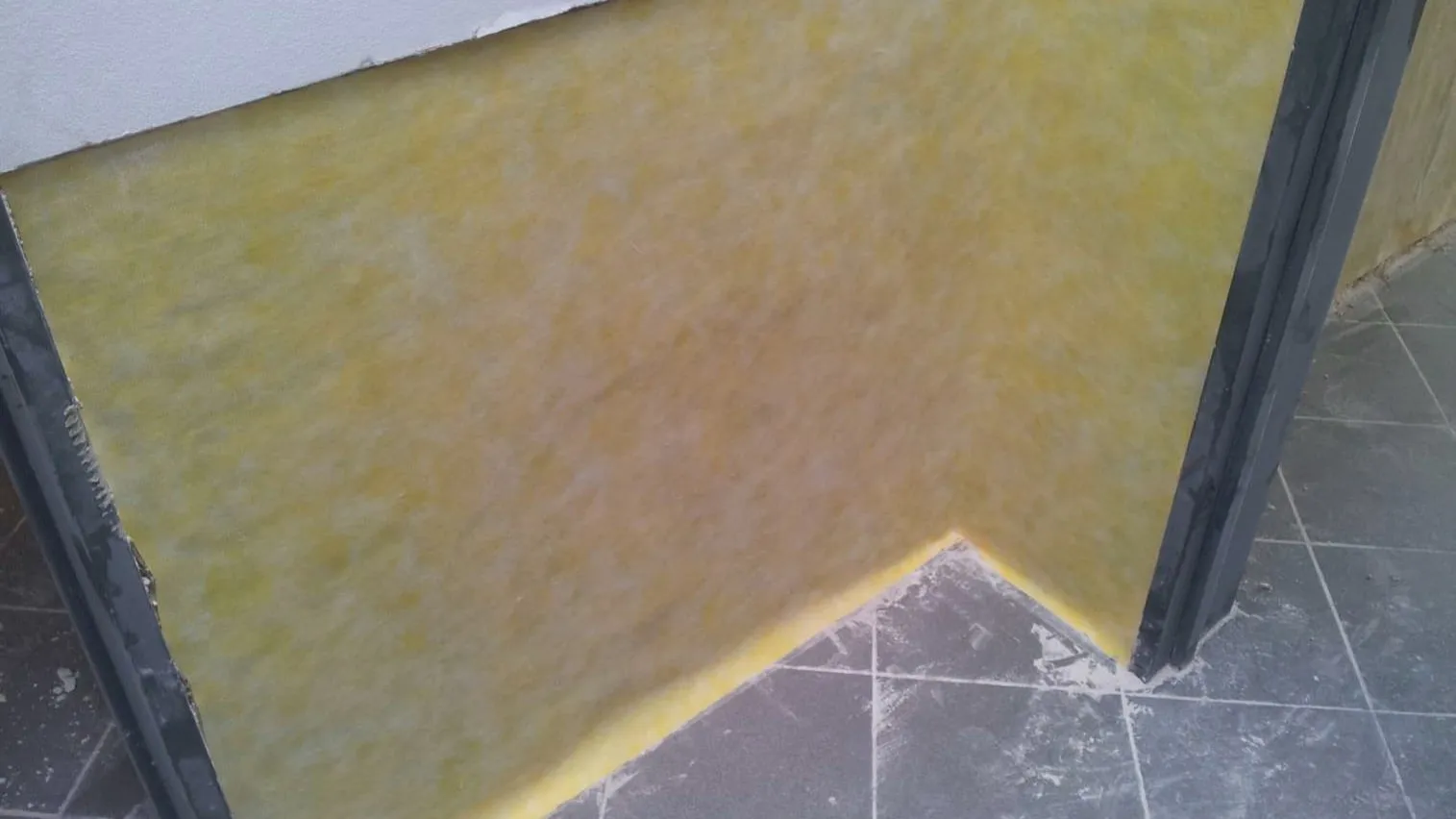
Membranes that block moisture and salts (for example, Membrascreen), after which the wall is immediately ready for decorative plaster.
-
Restoration plasters: lime-based mortars (for example, Calisan NHL) that let the wall dry and absorb salts. The minimum plaster thickness is 20 mm. Only breathable materials may be used for the decorative finish.
-
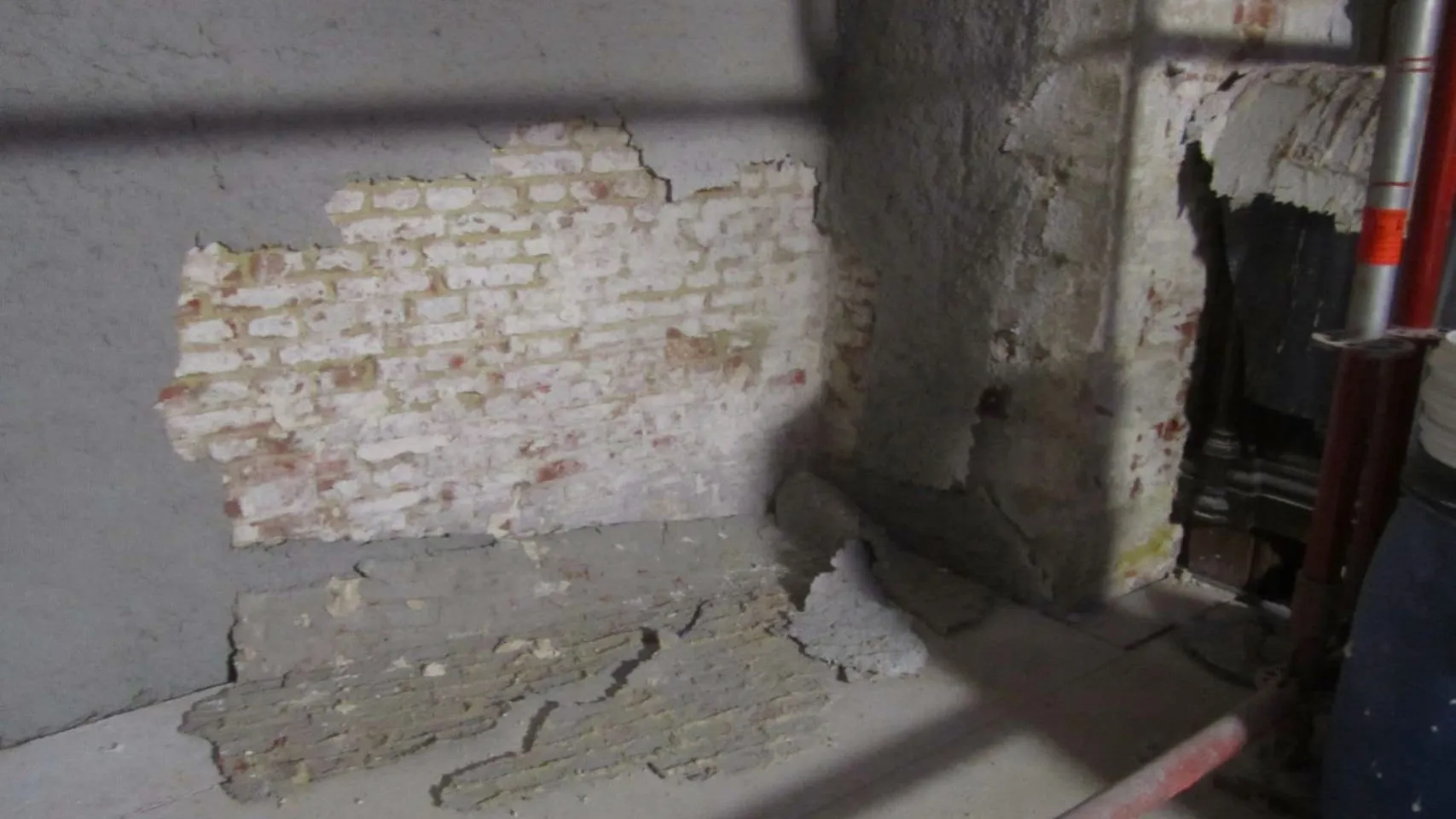
Sacrificial restoration plaster (for example, Saltpull Type 2): a temporary plaster that is removed after about 15 days, leaving the original wall dry and free of salts. A popular solution when historic brickwork is to stay exposed, and in other restoration work.
Data sheets for materials used to block rising damp
Injection gelHigh-performance injection gelBlocking membraneSelf-adhesive tape for joining membrane seamsMembrane adhesiveLime plaster for damp treatment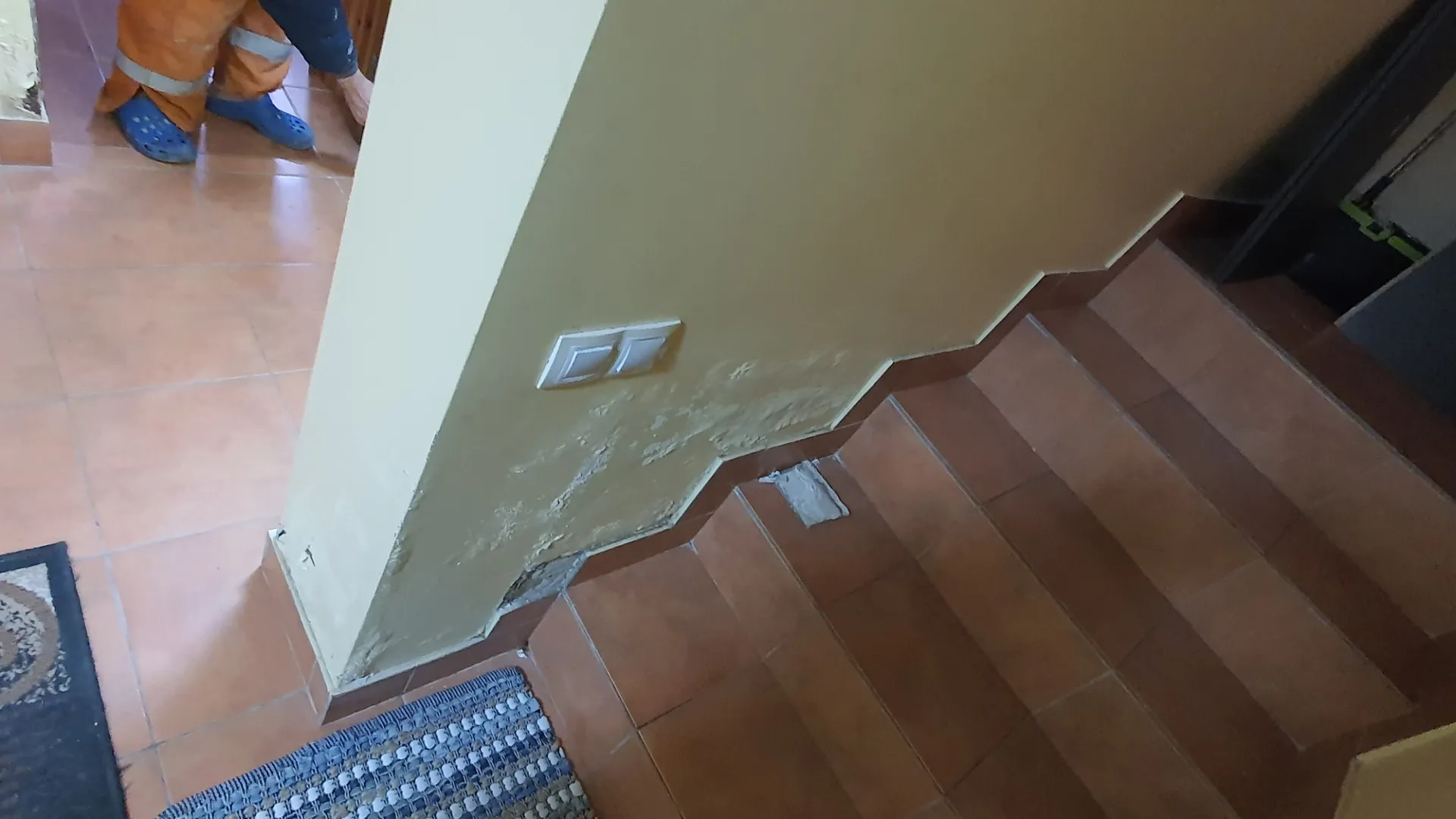
How to buy? What does it cost? Free samples:
Weekdays 8:00–17:00